
Mentoring is often talked about, but less often fully understood. In our recent Leaders Club virtual mentoring session, members came together to explore what mentoring really is, how it differs from coaching, and how leaders at every stage can use mentoring to unlock growth – for themselves and others.
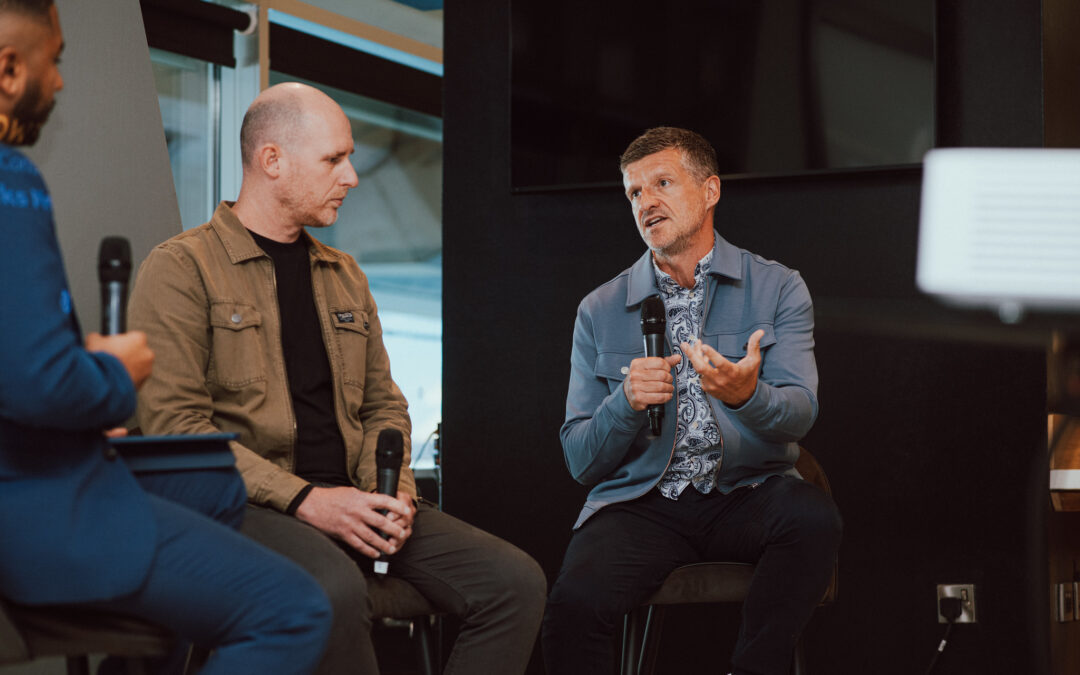
The session was led by Chloe Walton, Managing Director at The Connected Leaders, and brought to life through a panel discussion and Q&A featuring Sam Foskett and Alex Wallace, who shared their realworld experiences of a mentor and mentee relationship. Together, they offered honest insights into how mentoring works in practice – and why it can be such a powerful catalyst for leadership development.
Why Mentoring Matters for Leaders
Leadership can be lonely. As careers progress, informal feedback decreases, challenges become more complex, and the stakes get higher. Mentoring helps fill that gap.
At its best, mentoring:
- Creates space for reflection
- Builds perspective beyond your immediate role
- Supports longterm growth, not just shortterm performance
- Strengthens confidence and selfawareness
For Leaders Club members, mentoring was positioned not as an “extra”, but as a strategic leadership capability – one that enables better decisionmaking and more sustainable careers.
Learning Through Lived Experience: The Power of a Mentor–Mentee Relationship
A highlight of the session was the panel conversation with Sam Foskett Senior Director at Sky Sports, specializing in sports broadcasting and Alex Wallace, Founder of The Mintridge Foundation, dedicated to enhancing sports involvement, life skills, and wellbeing for young people through mentoring with positive role models.
They discussed:
- What first prompted them to enter a mentoring relationship
- How trust and openness developed over time
- The importance of honesty, challenge, and accountability
- How mentoring helped create space for thinking – not just problemsolving
Rather than focusing on advice alone, both emphasized that the real value of mentoring came from being listened to, having perspective offered at the right moments, and feeling supported during periods of growth and uncertainty.
Their reflections reinforced a key message from the session: mentoring is not about having all the answers – it’s about creating the conditions for better thinking and better choices.
Mentoring vs Coaching: Understanding the Difference
Chloe also explored one of the most common questions leaders ask: what’s the difference between mentoring and coaching?
Coaching typically:
- Focuses on performance and specific goals
- Is timebound and outcomedriven
- Uses questioning to help someone find their own answers
Mentoring, by contrast:
- Draws on a mentor’s lived experience
- Is relationshipled rather than taskled
- Looks at the whole person, not just the role
- Encourages longerterm thinking and career development
Both approaches have value – but mentoring is often particularly impactful during moments of transition, when leaders are navigating complexity rather than clearcut goals.
There’s No Single Way to Mentor
The session also explored the many forms mentoring can take, including:
- Formal mentoring – structured relationships with clear expectations
- Informal mentoring – organic, trustbased connections
- Peer mentoring – learning alongside people at a similar stage
- Reverse mentoring – gaining insight from different perspectives or experiences
The Ingredients of a Strong Mentoring Relationship
Across the session and panel discussion, several traits consistently emerged as critical to effective mentoring:
- Psychological safety – the freedom to be open, honest, and vulnerable
- Curiosity – a genuine desire to understand, not fix
- Active listening – hearing what is said and what is left unsaid
- Accountability – turning reflection into action
Good mentoring, members heard, is not about instruction – it’s about support and challenge in equal measure.
Reflection: Where the Real Learning Happens
Participants were encouraged to pause and reflect – something busy leaders rarely do enough of.
Powerful mentoring questions explored during the session included:
- What challenge are you currently sitting with?
- What patterns keep showing up in your leadership?
- Where might you be holding yourself back?
- What support would make the biggest difference right now?
As the panel discussion made clear, mentoring creates the space for these questions – and the confidence to sit with them.
How Leaders Club Supports Mentoring and Development
This session forms part of Leaders Club’s Skills and Coaching Development series, designed to help members continually build the capabilities that matter most through virtual and inperson practical leadership skill development, and coaching sessions.
Final Thought: Mentoring as a Leadership Mindset
Mentoring isn’t something reserved for a later stage of your career. As Sam, Alex, and Chloe demonstrated, it’s a mindset leaders can adopt at any point – by listening more deeply, sharing experience generously, and creating space for others to grow.
Whether you act as a mentor, a mentee, or both, the greatest value lies in connection – and in recognizing that none of us has to navigate leadership alone.